
Scotland, like the rest of the world, is experiencing the twin crises of the climate emergency and massive biodiversity loss. Both crises are destroying the ecosystems that millions of species, including human beings, depend on. Industrial farming practices are contributing to loss of biodiversity and increased greenhouse gases, for example through deforestation in the Amazon for industrial cattle ranching.
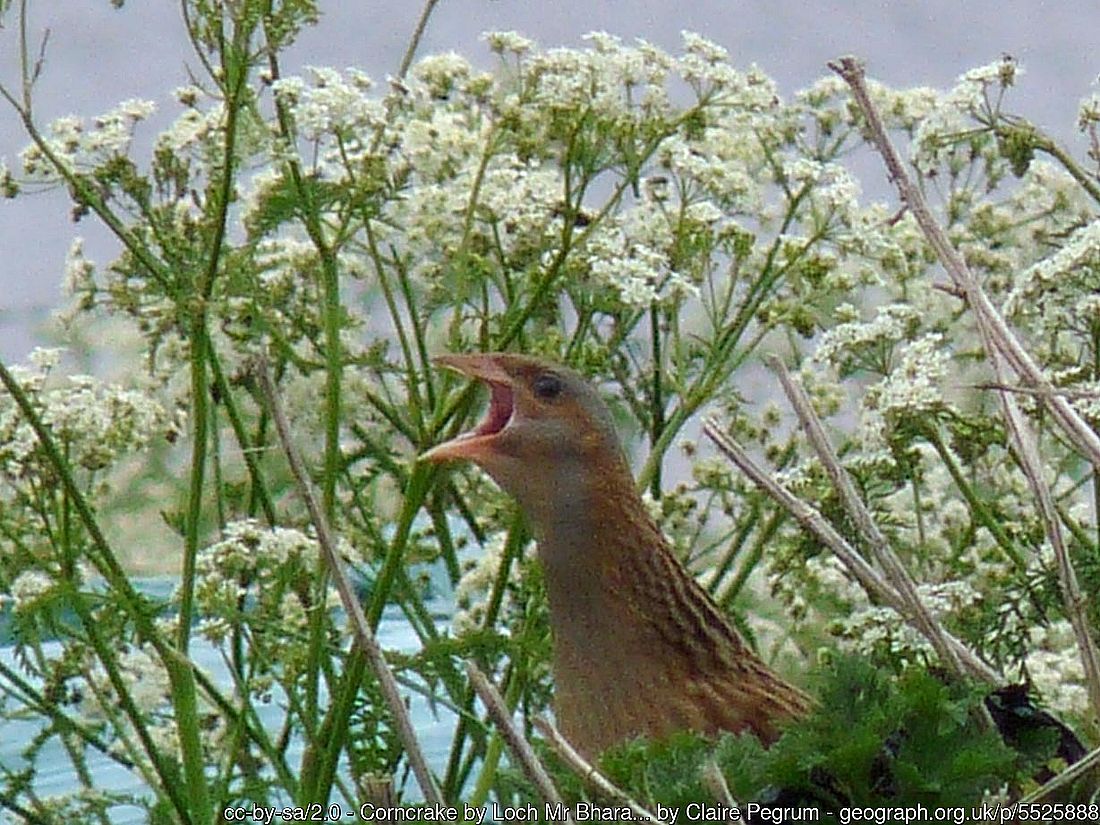
In a small corner of northwest Scotland, crofters are helping corncrakes – elusive birds that migrate from Africa to breed here. Corncrakes were once found across the UK but changes in agricultural practices in the 19th and 20th centuries saw their range shrink to just a few places on Scottish islands and the north west coast. Their population continues to fall; the RSPB’s 2019 survey recorded only 870 calling male corncrakes in the core areas of their range, down from 897 in 2018.
Corncrakes benefit from farming practices that encourage biodiversity, and they need the help of crofters and farmers to breed safely and rear the next generation before embarking on their journey back to Africa. One of the few areas they breed in is north Skye. Watch the RSPB’s video on how crofters on the Waternish peninsula have adapted their farming practices to support corncrakes.