
by Anne MacLennan
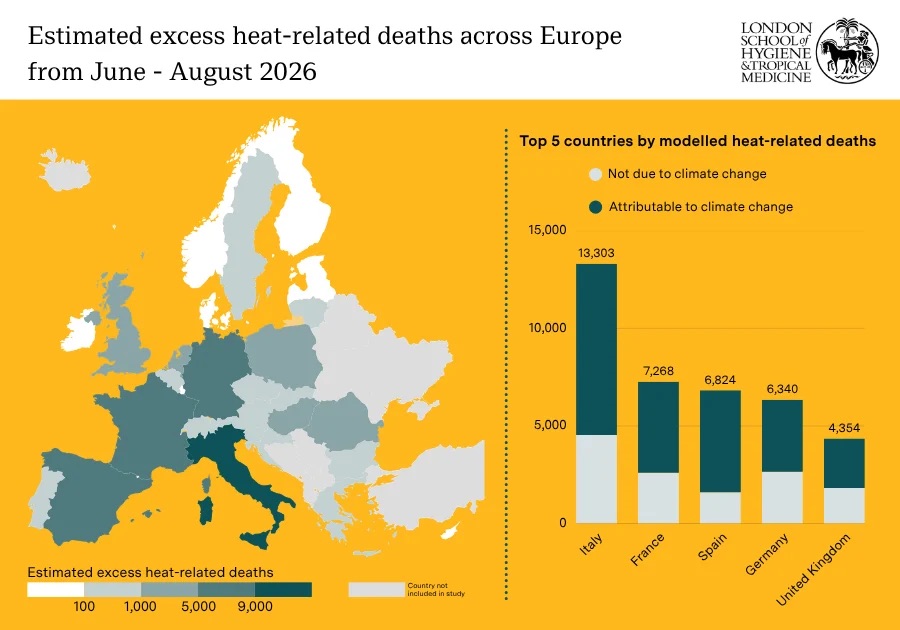
Summer 2026 brought heatwaves, droughts, wildfires, glacial collapse and mudslides to Europe. About 50,000 people died just from urban heat.
“Yet, at the end of the summer, people were still expected to return to work and re-boot the continent’s fossil fuel-based economy.”
Why?
Well, maybe it’s because we’re living in the Capitalocene. Advocates of this term, regard climate change as a consequence of the ‘developed’ world’s history of capitalism and colonialism. rather than the Anthropocene concept which suggests that mankind in general is responsible for the current ecological and social crises. In fact, some humans have contributed greatly, but many others, such as indigenous communities and Pacific Island Nations, have contributed very little, though they suffer the consequences.
The Industrial Revolution in the mid 19th century is often regarded as the starting point for climate change, but the Capitalocene origins can be dated back to European colonial expansion from the 15th century. Wealth was no longer limited by land productivity, but by the exploitation of labour productivity. Labour, energy and natural resources were appropriated for minimal or no cost. So our current crises evolved within a socioeconomic system which enabled large-scale transformation of the earth through large-scale exploitation of “cheap” natural and human resources. A system that operated on the basis of intensive resource extraction, the precarisationof life, and the commodification of nature. Thus society is trapped in ecologically harmful patterns of production and consumption which will ensure that we continue to break climate records, committing us to further disastrous weather events to the detriment of human and planetary wellbeing.
Capitalism craves increased productivity and economic growth, but consumer outcomes have lower priority. Consider food as an example:
Crop yields have been increasing in the past 60 years (until knocked back by weather extremes), reflecting greater volume and calorie productivity, but at the cost of reduced nutrients. Hollow Harvests is just the latest report to show that the mineral and vitamin content of fruit, vegetables and other foods has been declining so that billions of people across the world now have micronutrient deficiencies – exacerbated by excess food processing and by low intake due to affordability or even the anti-obesity drugs.
The Food Foundation’s Broken Plate report surveys the current UK food environment and its detrimental impacts on the health of children and planet. Healthy food has become almost unaffordable for low income families. Difficult to access too: just 10% children’s breakfast cereals have recommended levels of fibre, but 20% are high in sugar.
The global food system is precarious, with the UK particularly vulnerable. Over half of agrichemicals and commercial seeds are controlled by four mega-companies, giving them unhealthy levels of economic and political power. Our food system runs on fossil fuels. Small scale farmers globally have been made dependent on corporate seeds and pesticides. And those pesticides are estimated to be poisoning over 400 million farmers annually with around 11,000 deaths globally.
Test your knowledge of food system inequalities in this quiz.
So perhaps it’s time to stop stoking capitalism with its harms to people and planet. Time to work less and spend more time on environmentally-friendly hobbies, strengthening families and building resilient communities. Reduced busyness is good for human and planetary health. It just requires a change of cultural norms and delegitimisation of busyness. Are we capable of change?