
by Anne MacLennan
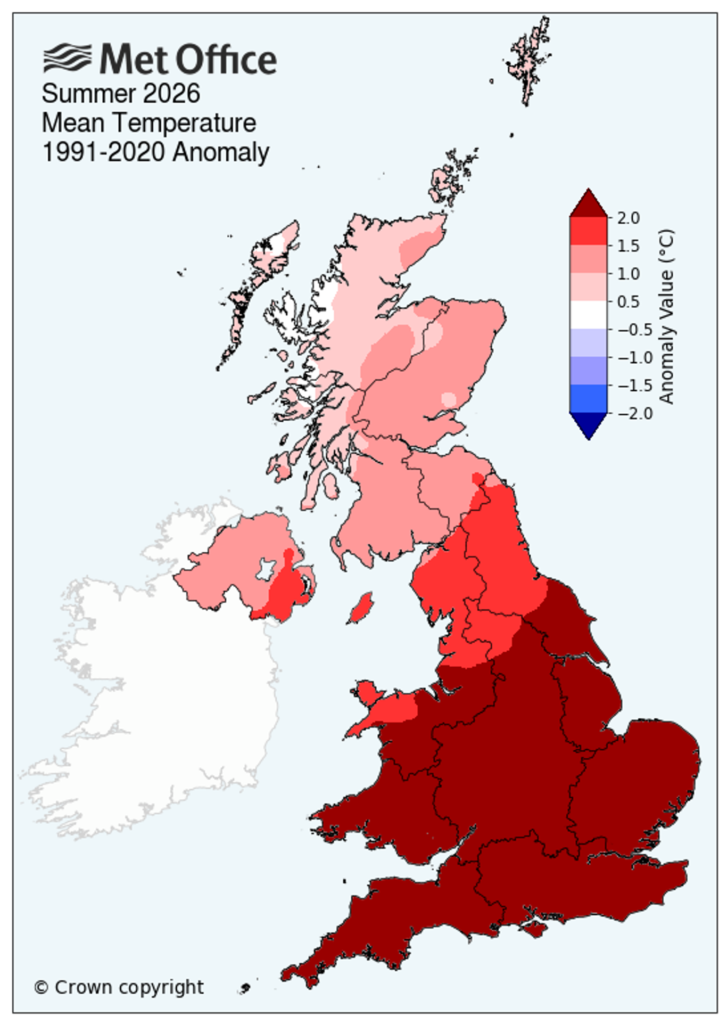
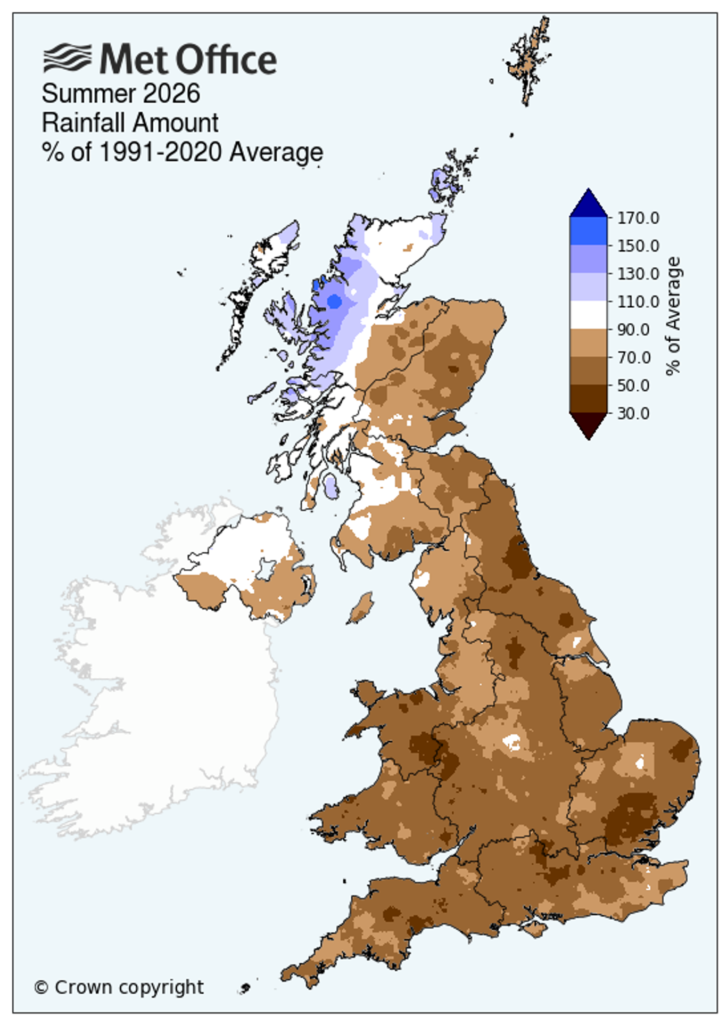
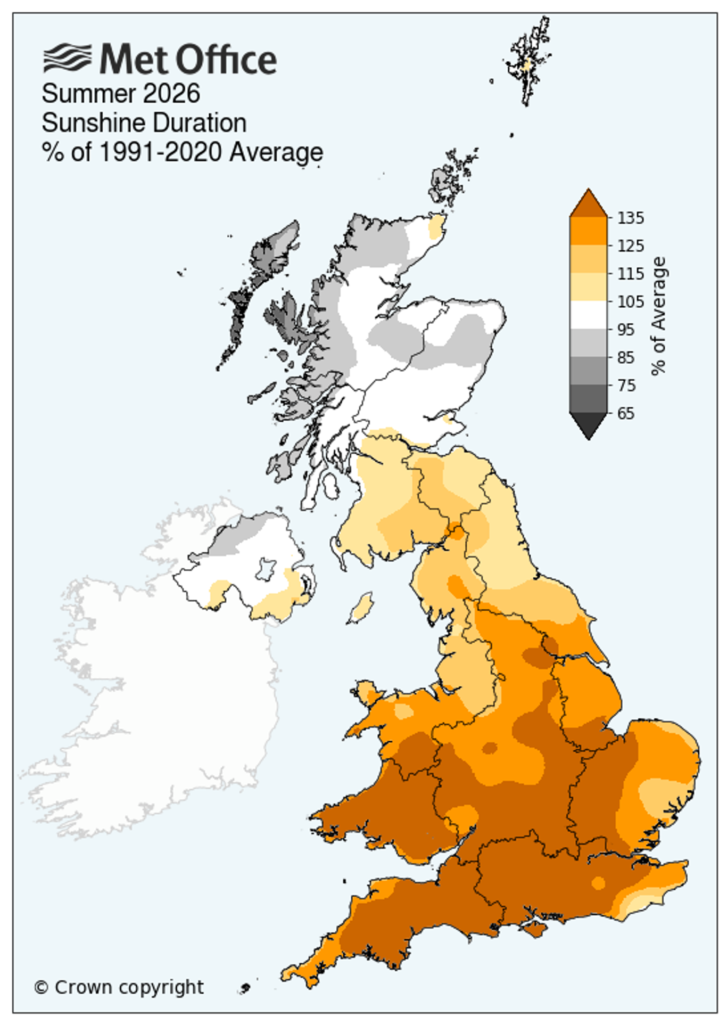
Summer 2026 broke more records in the UK. It was hot and dry down south, even if rather cooler and wetter on Skye (see map). About 550 people in England and Wales died due to heat-related causes during the May heatwave and a further 2,200 during the June heatwave.
A National Security Assessment commissioned by the UK Government was published last year, highlighting the links between biodiversity loss and national security, and warning of a potentially grim future. Six globally significant ecosystems were identified, all in decline, including the Amazon rainforest and South East Asian mangroves. Collapse of any of these ecosystems would impact the UK. For instance, regarding food security:
“Without significant increases in UK food system and supply chain resilience, it is unlikely the UK would be able to maintain food security if ecosystem collapse drives geopolitical competition for food. The UK relies on imports for a proportion of both food and fertiliser and cannot currently produce enough food to feed its population based on current diets. Countries best placed to adapt are those that invest in ecosystem protection and restoration, and resilient and efficient food systems.”
The then Prime Minister did not want this information released to the general public and it took a Freedom of Information request to make it available earlier this year.
The National Emergency Briefing team is keen that the public are told the truth about climate and nature loss, to inform appropriate responses. The team recently encouraged people to join a radio phone-in to the prime Minister, suggesting the following points to make:
- People have the right to know about threats that affect their lives and their children’s futures.
- Politicians need public support for emergency action. That support won’t come at the scale needed until people understand the severity and immediacy of the threat.
- Emergency action will make Britain wealthier, healthier and happier. Warmer homes, cleaner air, better transport and greater energy security would improve everyday life.
- Only government can lead and mobilise funding for a response at the scale needed.
- Re affordability, The Climate Change Committee estimates the average net cost of its pathway to net zero at just 0.2% of GDP a year between 2025 and 2050. Yes, an up-front investment is needed but £320 billion required is similar to the cost of just one oil price spike according to the Climate Change Committee.
- A stable climate and healthy natural world underpin everything else. Worsening impacts will undermine government’s ability to deliver on living standards, health and security. We need urgent action both to prepare for the impacts ahead and to tackle their causes, including moving away from fossil fuels and towards more sustainable diets.
- The world desperately needs leadership. Why not us? The nation that led the Industrial Revolution could show the way towards a better future. Demonstrating the benefits to ordinary people would inspire other nations to follow.