
by Anne MacLennan
Data Centres are necessary for current and planned future lifestyles. They enable cloud storage, internet searches, video screening, social media, artificial intelligence training and activity, and so much more. But when is enough enough, and where are the safeguards?
There are increasing concerns around the world about the proliferation of data centres for multiple reasons. I recently joined a meeting of Friends of the Earth Scotland to hear speakers from Scotland, Ireland, Malaysia, India, and the US share similar social and environmental concerns. The meeting is recorded here.
Costs to host communities and the general public relate to:
- Energy: Data Centres now consume about 1.1% of global electricity. Ireland’s data centres consume over 23% of national electricity, the highest data centre energy demand in Europe.
- Water is used for cooling, 24/7. Scotland’s 16 data centres’ annual water usequadrupled between 2021-2025 to over 15,000 cubic metres, mainly tap water – and rising. In many countries, data centres are being built in already water-stressed communities.
- Land: Data centres tend to be big and single storey, with associated infrastructure such as roads, so nature disruption is unavoidable in rural areas See a map of proposed Scottish data centres here.
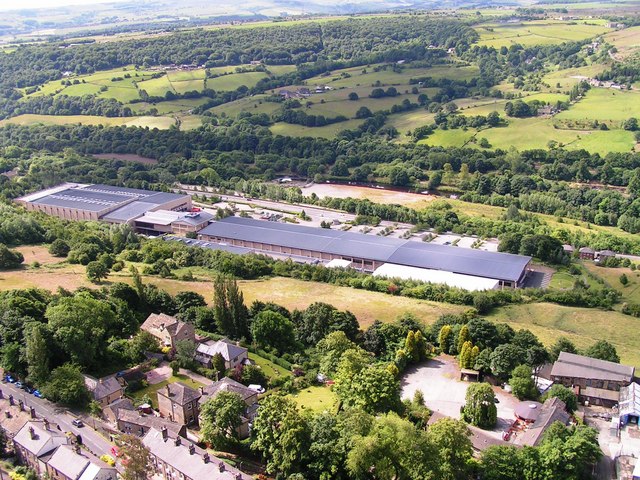
Copley data centre, near Halifax
© Copyright Michael Steele and licensed for reuse under this Creative Commons Licence
- Minerals: from aluminium and copper to arsenic and silver, many minerals are needed. The copper in one Scottish data centre is enough for 1,000 onshore wind turbines.
- E-waste. With the fantastic rate of development, equipment becomes obsolete ever-faster.
- Greenhouse gas emissions. In many parts of the world, data centre energy comes from fossil fuels. In Ireland, the use of gas has increased because of strain on the grid and one data centre is proudly ‘off-grid’ by building its own gas power station. In 2018, digital technology was estimated to contribute 3.7% global emissions (compared with 2.4% for commercial aviation).
- Electricity access and bills. Rapidly increasing demands from data centres has put strain on electricity networks, triggering upgrades, expansion of public grids and pushed up wholesale prices, resulting in increased household electricity bills.
- Jobs are often cited as a reason to support data centres, but are generally over-promised after the construction phase.
- Dark data is accumulated unused data, a bit like the stuff that is put to the back of the cupboard just in case it comes in handy sometime, but actually just takes up space that could be used for something else. Alarmingly, dark datais reported to account for more than half of all data held by many organisations. Does that mean that data centres are double the size needed to be able to store rubbish?
Every digital action has a physical pathway requiring infrastructure. Carbon Direct outlines the high stakes and short timeline for achieving Data Centre sustainability.
Who benefits?
We all benefit from some organised digital technology, directly or indirectly. The big tech giants, such as Google, Microsoft, Meta, and SpaceX – ‘some of the most profitable corporations on earth’ – are the main beneficiaries. They are highly skilled in hooking national Governments with promises of gold at the end of the rainbow and warnings of dire consequences for those who are slow to join the race.
Scotland’s AI Strategy developed with industry support, is enthusiastic about being in the forefront of an AI world. A recent statement from Scottish Government notes that Environmental Impact Assessments have been requested for a couple of data centres in planning – probably as a result of vigorous lobbying by opposers, but also notes that appeals are being taken over by Government.
Industry advice seems to be to be open with the public about the unavoidable costs of this ‘essential’ development and be nice to communities, handing out sweeteners such as supporting local causes.
The Data Centre/ Artificial Intelligence enthusiasts fail to acknowledge that the rate of expansion and increased exploitation of resources, burdens communities, while further compromising nature and climate thus destroying the future in which humanity is meant to reap the benefits.
Moratorium and what you can do
Friends of the Earth Scotland is requesting a moratorium on further development until safeguards are in place, so write to the Public Finance Minister, Hannah Mary Goodlad at MinisterforPF@gov.scot requesting a moratorium and insist that an Environmental Impact Assessment is a required part of all Data Centre planning applications.
Learn more about the situation, join an organisation such as Friends of the Earth to keep up-to-date, and support communities directly affected and resisting in Scotland and around the world.