

- This event has passed.
A repair scheme for Skye
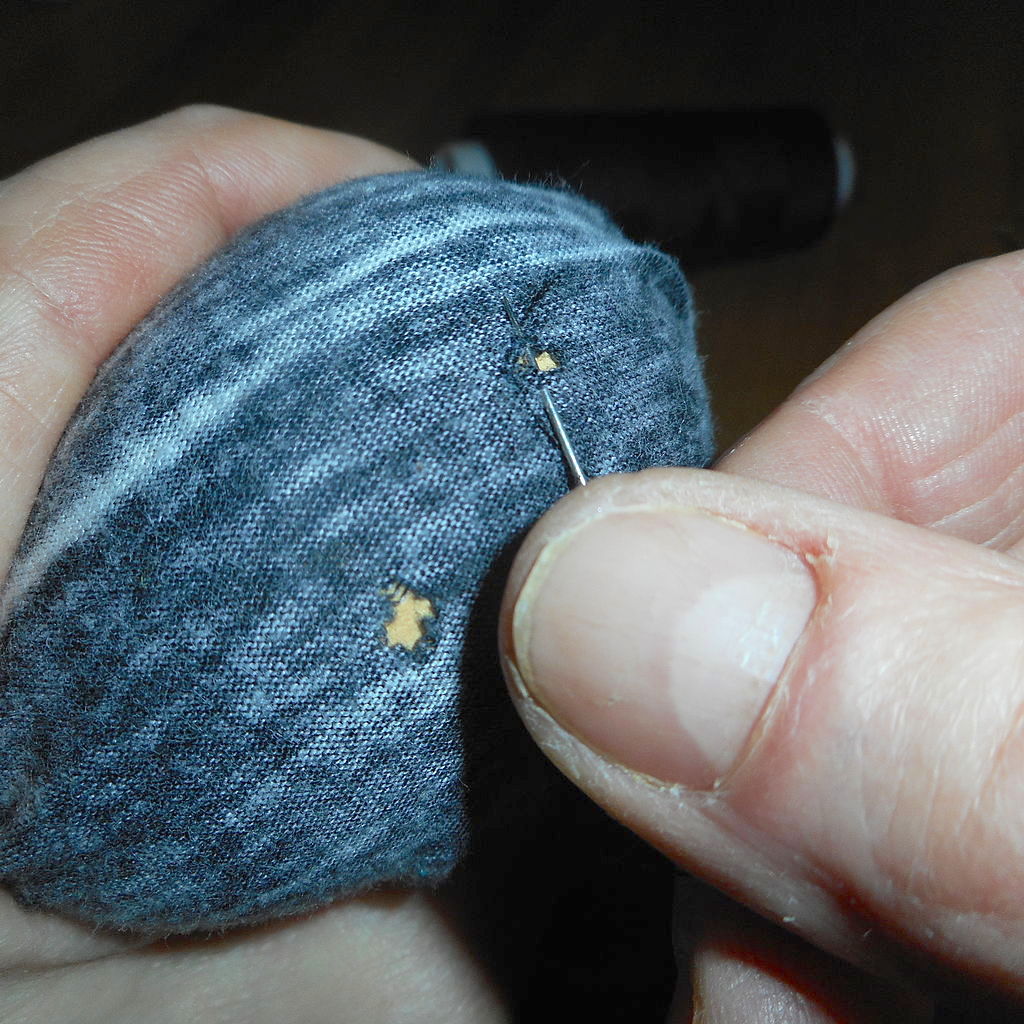
Join us for an outdoor meeting at Torrin to help us continue developing ideas for a repair scheme on Skye. Bring your own picnic!
We are very keen to hear your ideas and feedback on this evolving project, and we welcome everyone who would like to join this initiative. Please contact Anne with suggestions or for more information.
There is already a lot of local interest in extending the useful life of clothes, shoes, tools, appliances and anything else, by mending, fixing, or restoring. Two meetings with SCA supporters during June brought together people with a range of skills and lots of great ideas and enthusiasm. The discussion and practical examples of things needing mending (e.g. clothing, garden tools, radios, computers) enabled us to start working out what would be needed when the community is invited to bring along their damaged items.
At present, our vision for developing a repair culture includes a forum for teaching techniques, with workshops for specific skills. It could be that some items are dropped off, repaired and sold on cheaply. Perhaps there could be hubs to collect materials and items for re-use or recycling. We are keen to tap into the making and mending skills of the older generation, and to encourage intergenerational collaboration.
There are still many details to be worked through including venue(s), communication strategies and the gathering of information and resources. We don’t want to adversely affect commercial repairers and so we plan to keep a list of them so that we can channel business towards them, as appropriate.
What is the connection between repairing our stuff and the climate emergency?
Repair workshops and cafes are springing up around Scotland and worldwide, to reduce the amount of our stuff going to landfill. Making things last longer helps us to value possessions more, learn new skills, share expertise and tools and reduce demand for new goods (consumerism) therefore saving money and resources. It can build community resilience as well as reducing waste. The extractive processes that underpin consumerism drive climate change and biodiversity loss, pushing us towards the planetary boundaries. Learning new ways of recognising and satisfying our needs (rather than our wants) is valuable mitigation.